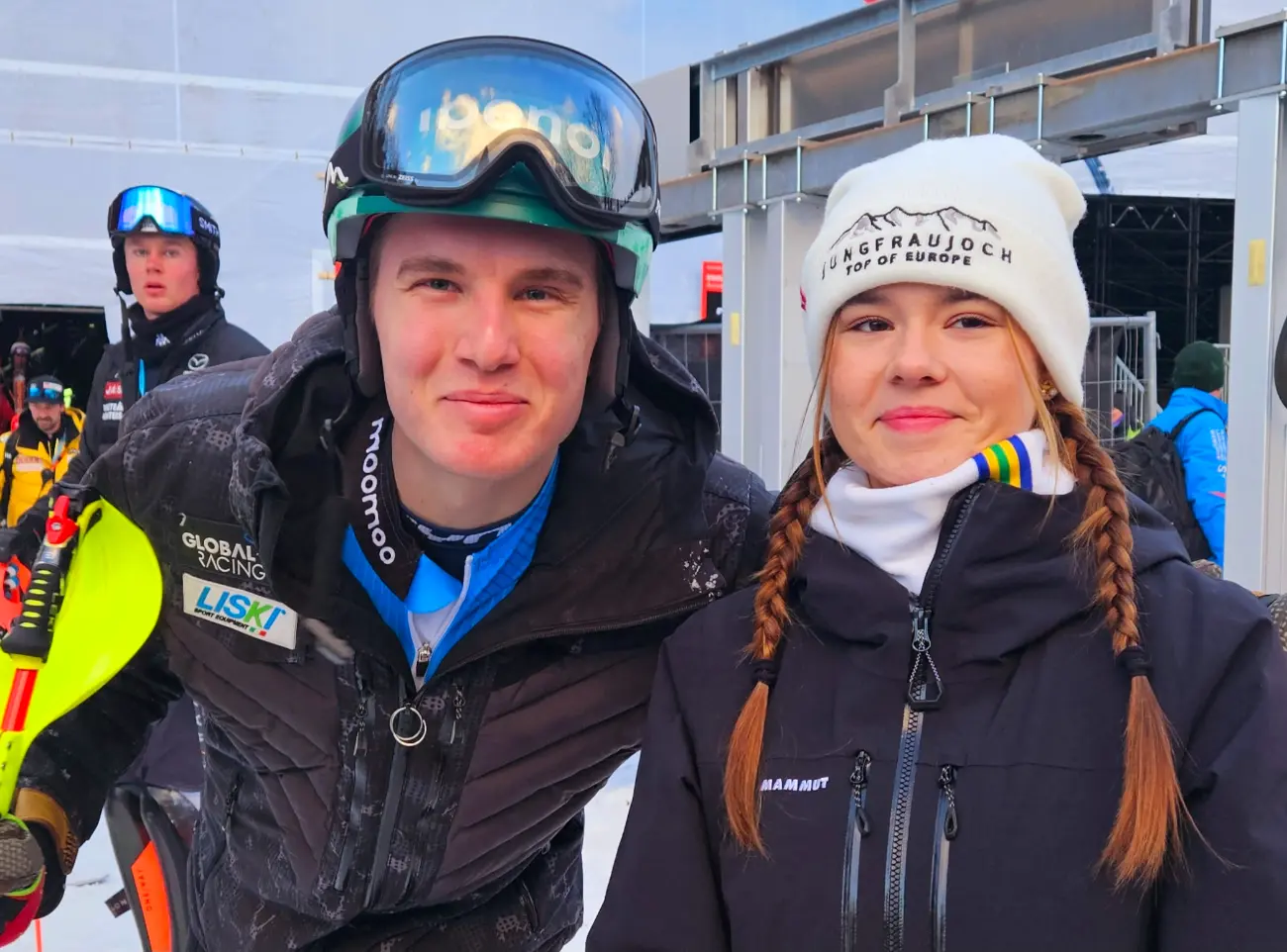
Tormis Laine: Behind the Scenes of an Independent Career
Behind the results and the margins of a few hundredths of a second that make all the difference, there is another reality. A reality built without the support of a major national organization, where every detail matters even more.
Tormis Laine (25) has built his career through a more independent approach, learning to adapt, stay organized, and forge his own path at the highest level. From moving abroad at a young age to managing certain aspects of his career on a limited budget, his journey offers a different perspective on what alpine skiing is really like today.
In this interview, he shares what goes on behind the scenes—from day-to-day organization and training to the reality of building a career without the support of major organizations.
Coming from a country like Estonia, which doesn’t have much of a downhill skiing infrastructure, how does that affect your daily life as a skier?
When you’re from Estonia, you always have to travel abroad for training camps and races. You can stay in Estonia until a certain age, but if you want to reach the highest level, you have to go abroad, just like I did.
But once you’re abroad, things aren’t exactly a walk in the park either. You have to find your own coaches and training facilities… there isn’t really a system in place for people like me. That’s why skiing becomes so much more than just a sport. It’s almost like running a small business: you have to manage people, a budget, and the whole operation.
For me, my family’s support has been essential. My father served as my manager and helped me find sponsors so that I could simply pursue this sport. Until I was 22, he also worked as my ski technician, doing it for free. Without that support, none of this would have been possible. And I think that’s true for many athletes in a similar situation.
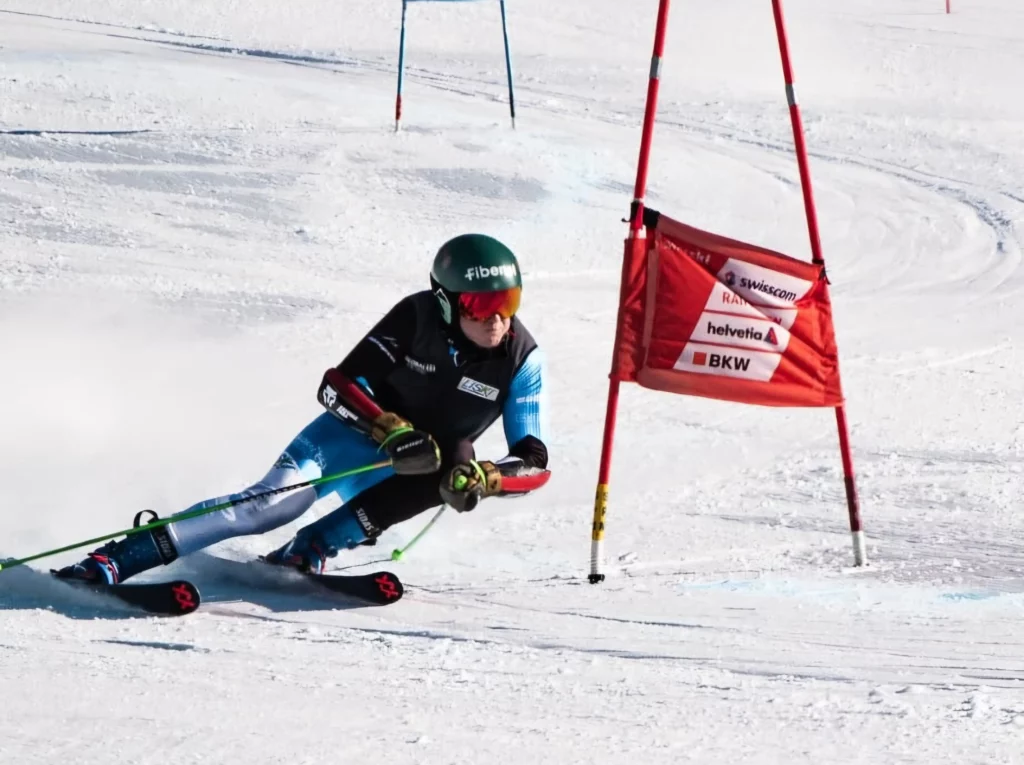
You moved to Austria with your family when you were very young—how did that decision influence your career?
I moved to Austria when I was 11. It was my idea, and I had to convince my parents. Even back then, I thought that staying in Estonia would make it impossible for me to play in the World Cup.
It was a difficult decision for the whole family. We had to leave our loved ones and friends behind. My mother had to find a job in a country where she didn’t speak the language. We made a lot of sacrifices, and I’m truly grateful for everything my family was willing to do for my dream.
Without a strong support team around you, how do you manage your daily training and competitions?
Before joining Global Racing, it was a lot of work. There were calls and emails almost every day, just to find training partners and get everything organized.
And even today, as part of a team like Global Racing, there are still many things we have to handle on our own as athletes.
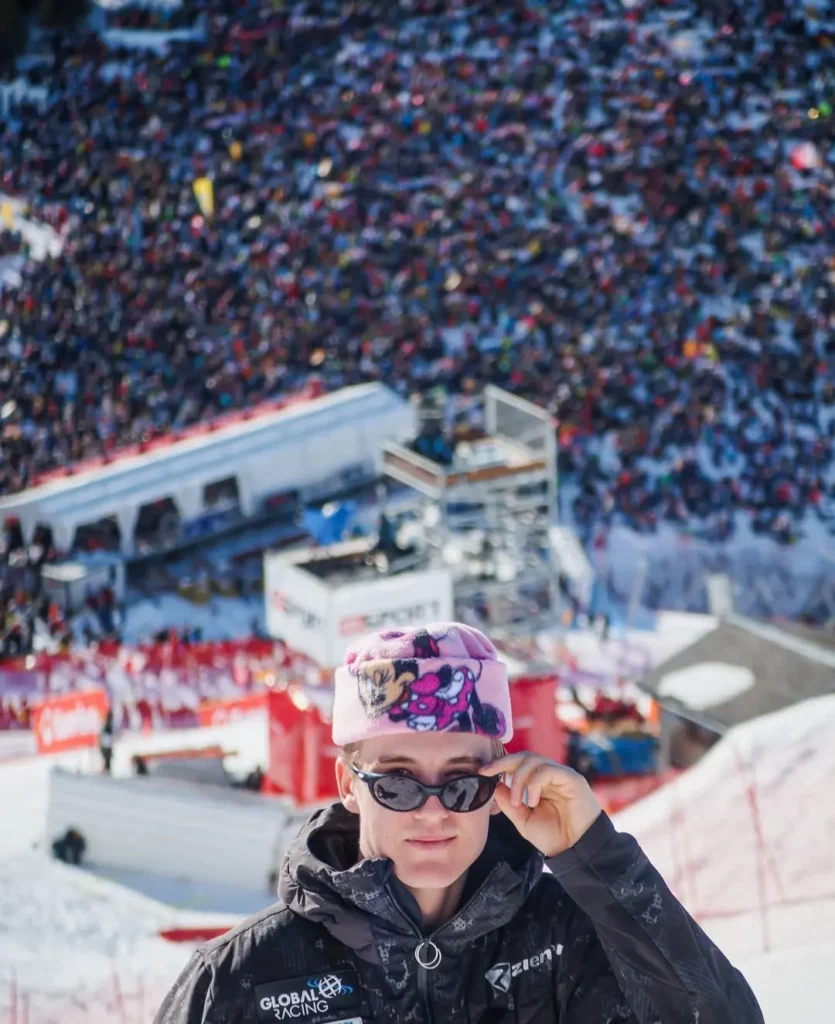
You've joined Global Racing—what's your day-to-day like there?
I always work with my fitness trainer in Estonia during the summer to get ready for the winter season. During the season, Global Racing organizes a number of things for us, including training sessions and accommodations. We simply pay an annual membership fee.
But even with that, I still have to arrange my own travel—flights, vans, and everything else.
Do you also have to handle certain things on your own? If so, which ones?
Yes, quite a few things, actually.
I have to manage my travel arrangements and finances, as I mentioned earlier. But I also have to manage my ski technician, with everything that entails: negotiating his salary, organizing his travel, and so on.
And at Global Racing, it’s also up to the athletes to find a physical therapist for the team and handle everything that goes along with it.
So yes, there's a lot to deal with besides skiing.
In your case, how important are sponsors to staying at this level?
Sponsors are essential to me. Without them, I wouldn't be able to keep doing what I love.
The difference between me and athletes on major national teams is that they find sponsors to make money, whereas in my case, sponsors simply help me fund my season.
That money doesn't go into my pocket as a salary; it's used entirely to cover the costs of my year.
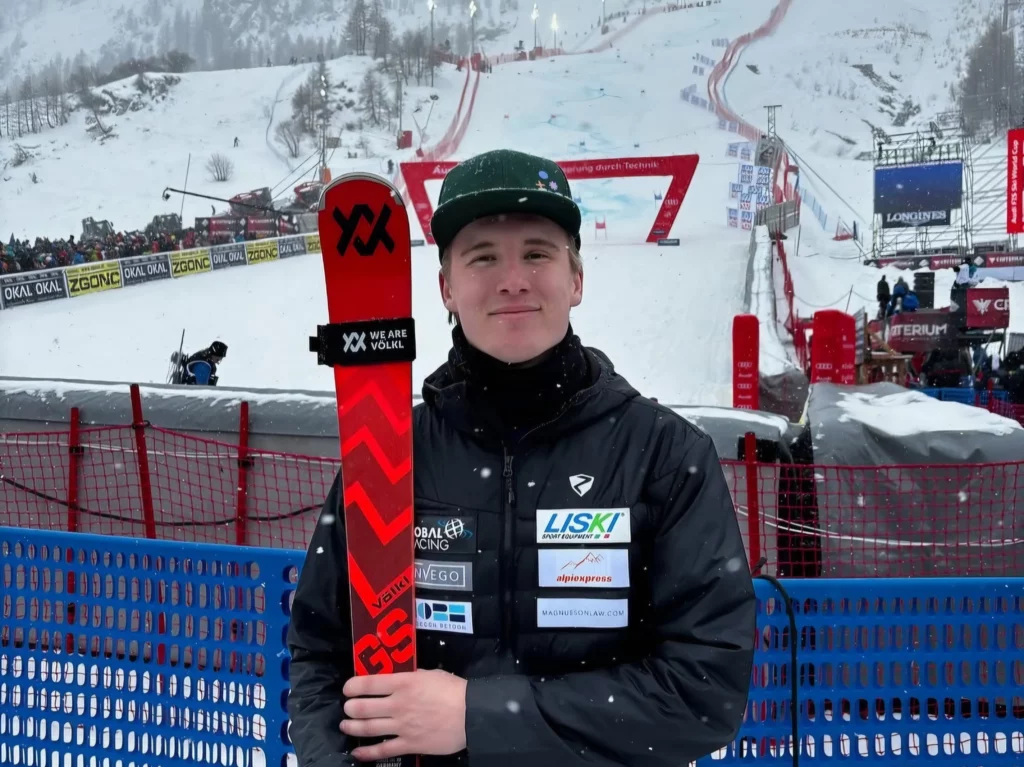
Do you ever train with top-tier teams? If so, what do you get out of it?
Yes, we sometimes train with other national teams. When we travel around the world, it makes sense to team up. That way, each team can contribute something—the gates, the timing system, and so on. And since many courses charge an access fee, training together allows us to split the costs and make them more affordable for everyone. Plus, it’s also very helpful for seeing where we stand compared to the world’s best skiers.
Do you notice a difference in the way skiers from the major nations train?
At the highest level, especially in the World Cup, I think everyone is pretty much the same when it comes to work ethic. But earlier in my career, in the European Cup or on the continental circuits, there was clearly a difference. For athletes like me and my teammates, every training session was more valuable. We know exactly how much each day costs, since we fund it ourselves, without the support of an organization. So we approach things differently.
What is your life really like between races, away from what people see?
Honestly, it’s not very exciting. It’s a lot of training and recovery. Everything revolves around being in the best possible shape for the next race. Most of the time, it’s pretty repetitive—sometimes even a little monotonous. It takes a tremendous amount of discipline.
But I still try to maintain a balance, see friends, and do things outside of skiing. I think it’s important to take a break from it every now and then.
Skiing is all about the little things—what do you spend the most time on behind the scenes, away from the public eye?
A lot of video analysis. I spend a lot of time watching my own runs, as well as those of other athletes, to figure out what I can improve or try out.
And I also talk a lot with my ski technician about the equipment—what we can adjust, what we can try to go faster.
What's the best piece of advice you've ever received in your career?
Always have a plan. Even if the plan isn't perfect, you can always adjust it. But if you don't have a plan and don't really know what you're doing, it's much harder to make progress.
Is there a person or mentor who has had a significant impact on your journey? Is there an athlete you particularly admire?
I’ve always admired Kristina Šmigun-Vähi. She’s a two-time Olympic champion, and as someone from Estonia, she’s been a huge inspiration to me.
But I’ve also been lucky to have excellent teammates at Global Racing; I’ve learned a great deal from them over the years.