An interview with Gabriela Buchs. Is the Tour de Suisse a testing ground for the future of cycling?
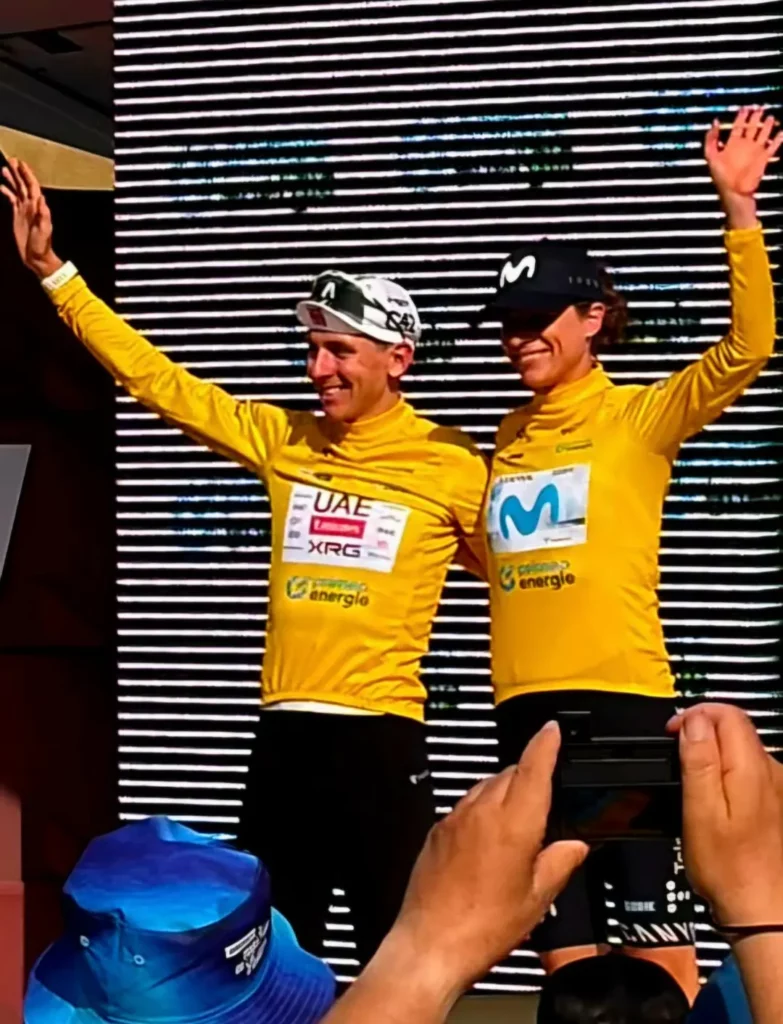
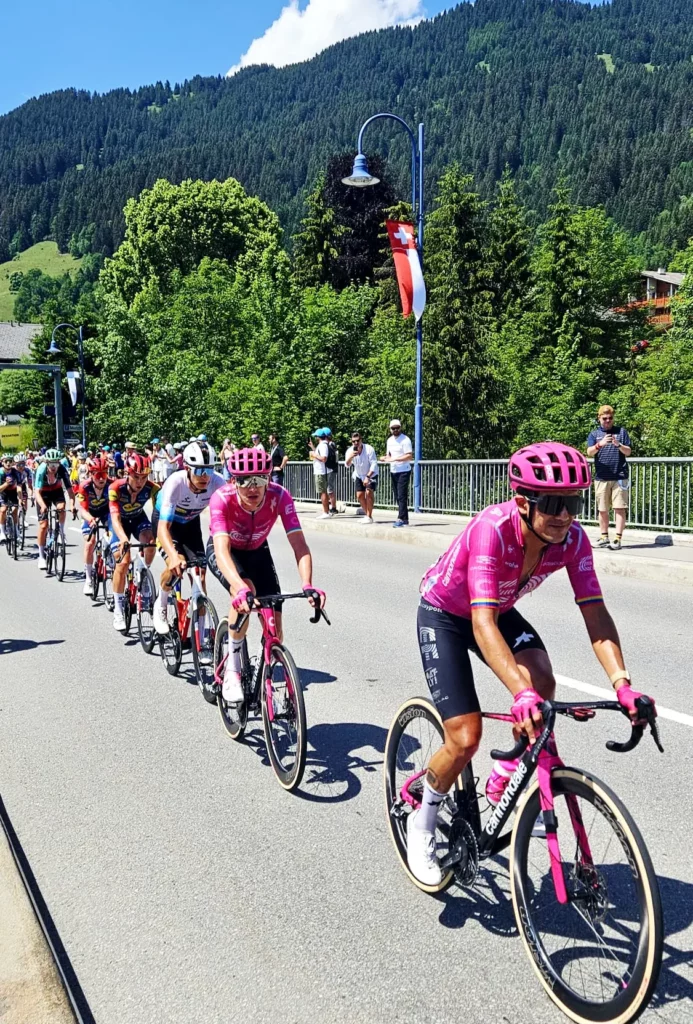
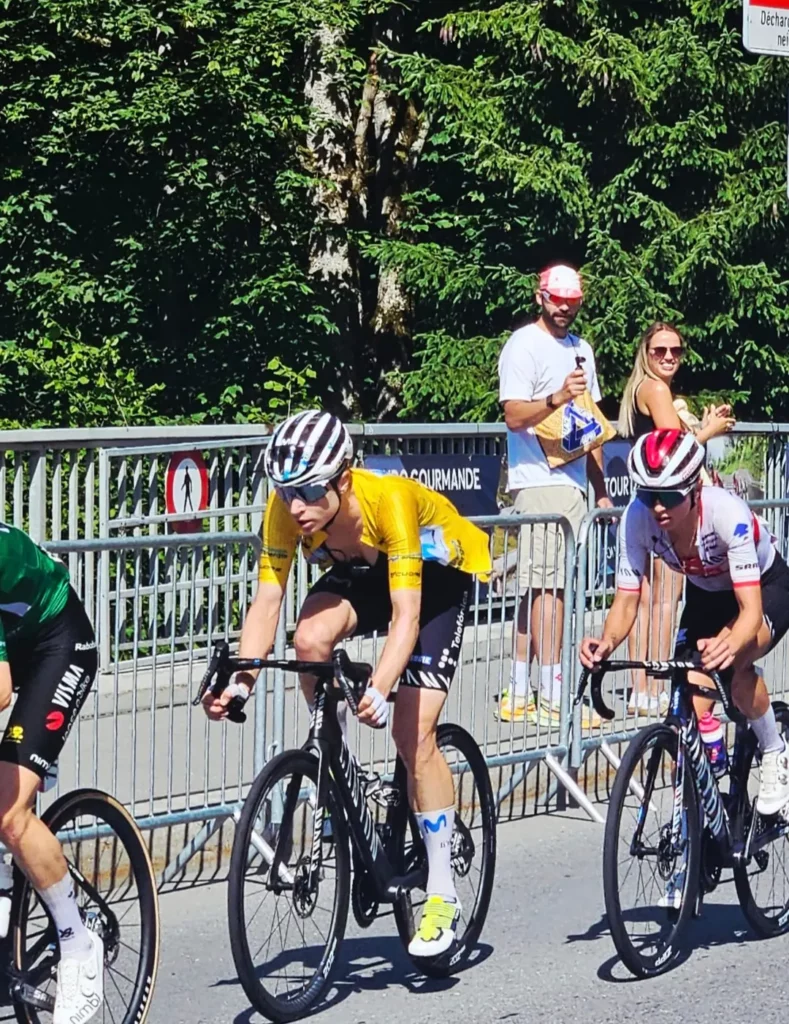
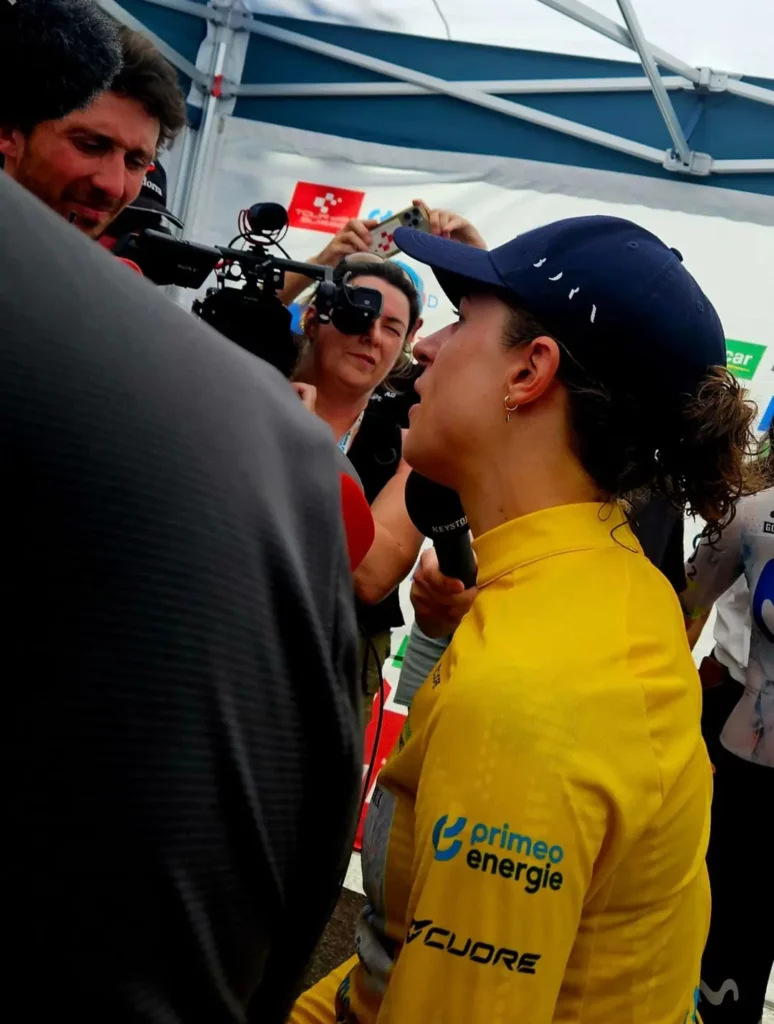
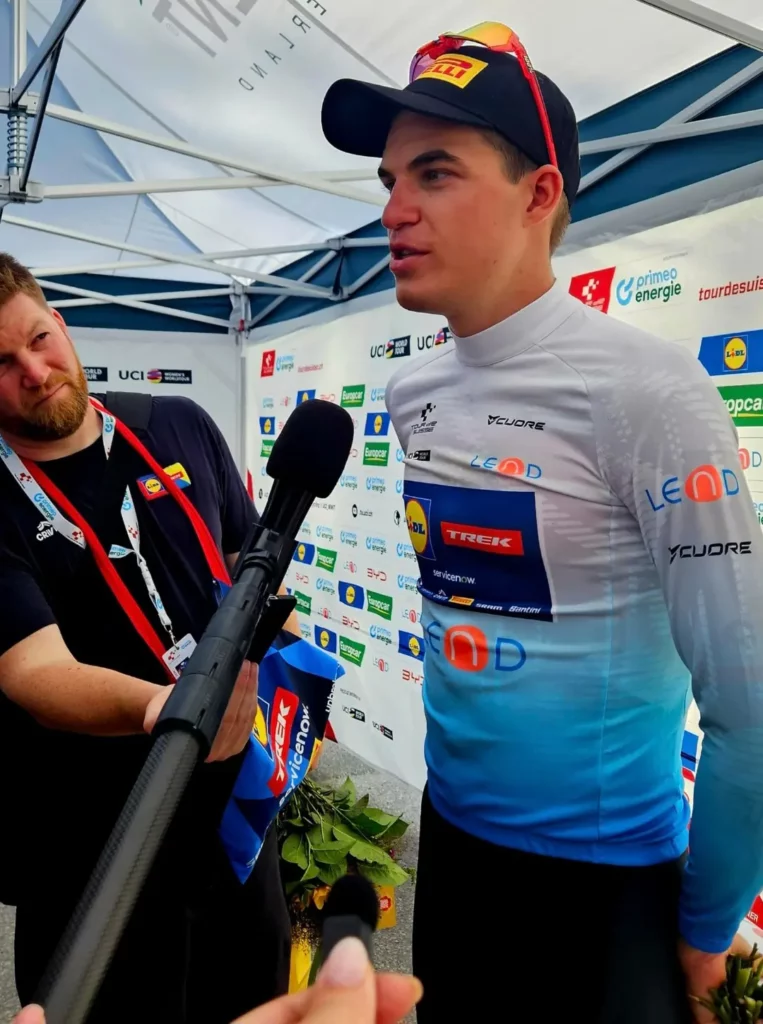
With its new format, the 2026 Tour de Suisse has broken new ground: for the first time, the women’s and men’s races took place simultaneously, on the same dates, in the same stage towns, and on largely identical routes. This WorldTour format—the only one of its kind in the world—is already attracting interest from other organizers and making the Tour de Suisse a true testing ground for the future of cycling.
In this interview, CEO Gabriela Buchs discusses the project’s origins, the key decisions made behind the scenes, and the opportunities—as well as the challenges—that such a format presents for the future of cycling.
The Tour de Suisse was the first WorldTour race to bring together women and men on the same dates, in the same stage towns, and on largely identical routes. What was the biggest challenge in bringing this new concept to life?
The biggest challenge wasn’t actually any one decision, but rather the courage to fundamentally rethink a format that had proven itself. A concept like this changes almost everything: stage planning, selecting host cities, team procedures, television coverage, security, and logistics. From the very beginning, it was important to us not simply to organize the women’s and men’s races in parallel, but to give them equal standing. To achieve this, we had to rethink many processes. It required more coordination and also a significant amount of persuasion. It’s all the more gratifying to see today that this decision was worth it and is generating a great deal of interest internationally.
How did you manage to get all the stakeholders on board with this project?
The idea came about fairly quickly. The hardest part was getting all the stakeholders on board. A project of this scale can only succeed if everyone is moving in the same direction and believes in it. Everyone has different expectations. That’s why open dialogue was essential. We didn’t try to convince people with a ready-made solution, but rather to develop the concept together. The contributions from our team and department heads were very important, as was the trust of our partners and sponsors. That’s exactly what allowed us to build broad support, which we’re proud of today.
Richard Chassot (Tour de Romandie) recently explained to me that road closures, security, and organization are becoming increasingly complex. Are there any sporting decisions today that have become impossible to make for organizational reasons?
Yes, definitely. Organizational requirements have increased significantly in recent years. Safety, traffic management, permits, and sustainability expectations are much more complex today than they were ten or twenty years ago. Of course, some ideas would be very interesting from a sporting perspective. But we also have a great responsibility toward the public, the authorities, the sponsors, the teams, and everyone involved. The challenge is to organize races that are exciting from a sporting perspective while finding realistic, safe, and sustainable solutions. Striking this balance is becoming increasingly important.
Olivier Senn (Event Director of the Tour de Suisse) explained that this new format was designed to meet sporting, organizational, and economic objectives. After this first edition, which benefit impressed you the most? Or which challenge turned out to be greater than expected?
I was particularly impressed by how this overall experience was received. When the women’s and men’s races share the same stage town, a completely different dynamic is created. Fans spend the entire day along the route or in the village. The stage towns benefit from a longer presence, and our partners gain a much broader platform. This creates real added value for all parties.
At the same time, we’ve seen just how demanding this format is from an organizational standpoint. Organizing two top-tier WorldTour events simultaneously requires meticulous planning and very close collaboration among all partners. In particular, we still need to optimize the long transfers. But that’s precisely why we view this project as a learning process.
Our goal is not only to offer something new, but also to explore what the future of cycling might look like.
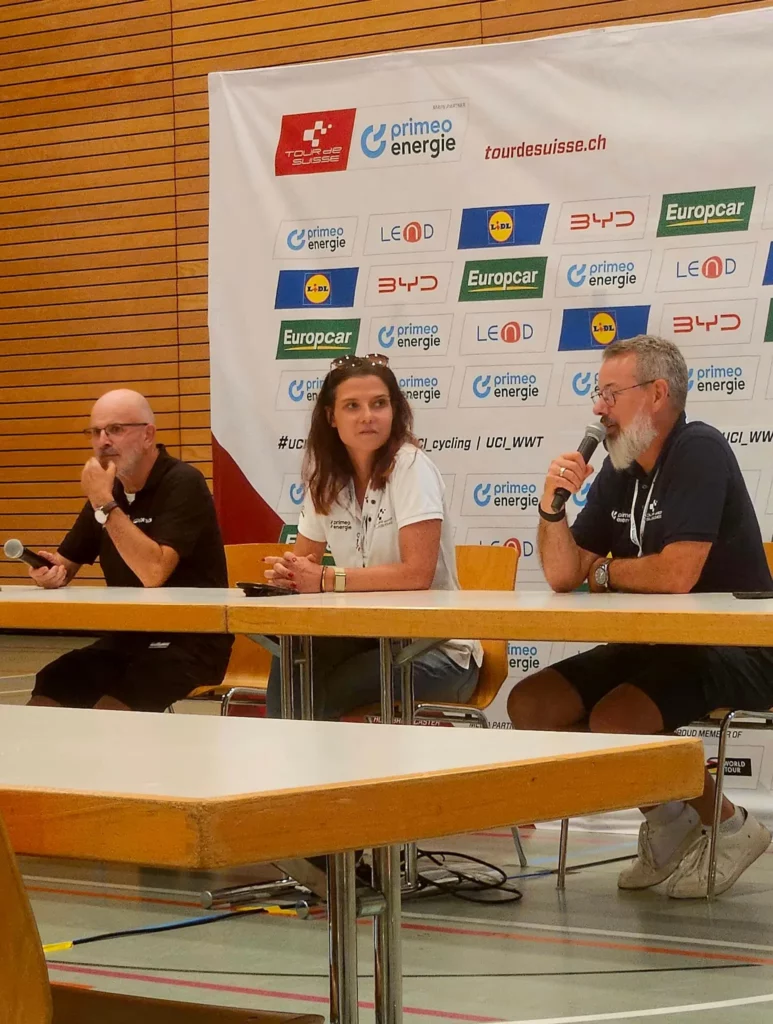
Unlike most sports, cycling remains one of the few major sports that is accessible for free. How can we preserve this strength while ensuring the economic future of a WorldTour race?
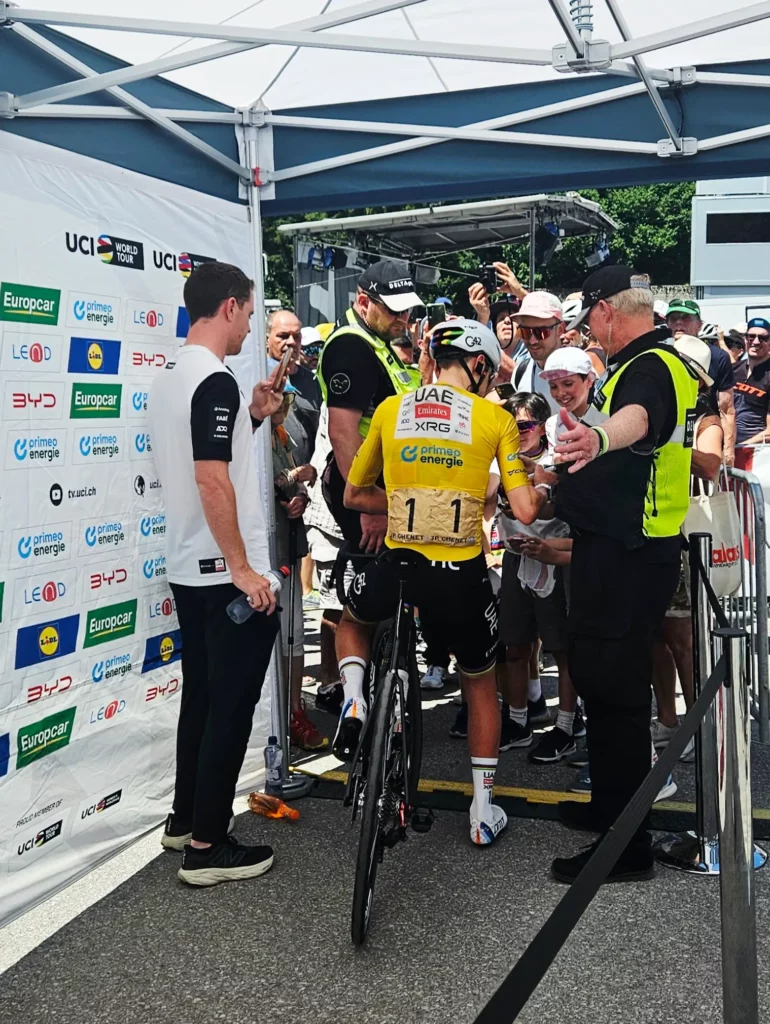
It is precisely this closeness that makes cycling unique. Everyone can see the world’s best athletes up close, regardless of their budget. This is an immense value that we are absolutely committed to preserving. It is also very encouraging to see the public’s interest. We often see three generations coming together to watch the Tour de Suisse.
At the same time, demands related to safety, television production, sustainability, and the fan experience are constantly increasing. We must therefore create new sources of revenue without limiting the sport’s accessibility. This requires strong partnerships, innovative hospitality offerings, a robust digital presence, and attractive platforms for sponsors. I am convinced that we can continue our economic growth without losing what makes cycling so special.
This new format has brought women’s and men’s racing closer together than ever before. What is the main challenge today in ensuring that this closeness benefits women’s cycling while strengthening its identity?
This shared platform is a great opportunity because it provides visibility. And visibility is one of the essential conditions for growth. At the same time, equality does not mean that differences must disappear. Women’s cycling is evolving in remarkable ways and captivating audiences through its own personalities, stories, and athletic qualities. This identity must remain visible.
Our goal has therefore never been to make women’s and men’s cycling identical. We want to offer them the same platform, the same level of professionalism, and the same recognition. If we succeed, it will benefit not only women’s cycling but cycling as a whole. Diversity makes our sport stronger.
Watch, luxury, and fashion brands are increasingly turning to professional cyclists as brand ambassadors. Is this an evolution in sponsorship, or a sign that cycling is entering a new era? And what impact does this have on the Tour de Suisse?
I think this goes far beyond traditional sponsorship. Today, cycling embodies values such as authenticity, commitment, and an active lifestyle. These are precisely the values that are becoming increasingly important to many brands. In fact, cycling is often referred to as the “new golf.”
For the Tour de Suisse, this opens up new possibilities. We are now reaching audiences who may not have had any direct connection to cycling before. This is creating new partnerships and exciting new stories that go far beyond the race itself. It shows that cycling is growing in importance, both socially and economically.
Every year, the Tour de Suisse offers some of the most beautiful images of Switzerland. Do you see, together with Switzerland Tourism, an opportunity to further strengthen its role as an international showcase?
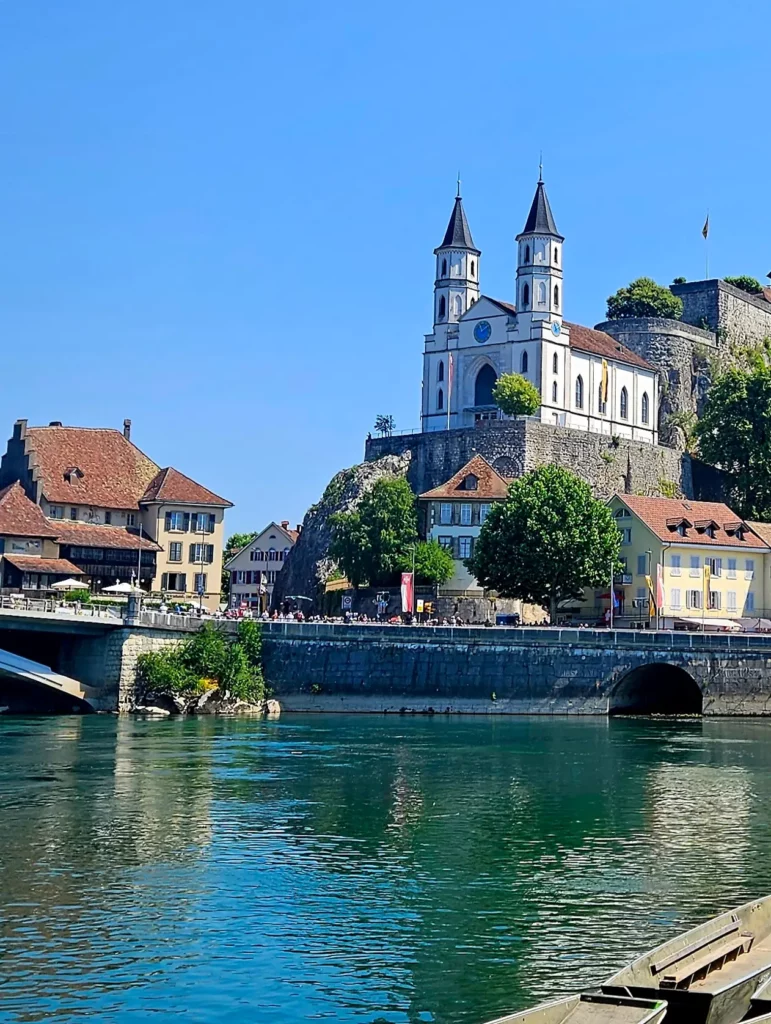
Absolutely. The Tour de Suisse combines elite sports with unique landscapes and the diversity of the regions. Millions of people around the world discover Switzerland through our television broadcasts. The potential is immense. I see great opportunities to bring cycling, tourism, and the regions even closer together.
It’s not just about showing beautiful images, but also about conveying emotions and inspiring people to discover Switzerland. It is precisely this combination that makes the Tour de Suisse so much more than just a bike race.
As a CEO, you sometimes have to make decisions that aren't universally popular. How do you know when a change is significant enough to challenge established habits?
Change is never an end in itself. It must bring real added value and point us in the right direction over the long term. Of course, it’s nice and comfortable to rely on what already works. But in sports, standing still is not an option. If we want to move cycling forward and remain relevant, we must be prepared to explore new paths, even if they initially raise questions or skepticism. The entertainment industry has undergone profound changes in recent years and decades. We’re not just competing with other cycling races, but also with other sports, concerts, YouTube, Netflix, and many other options. Innovation rarely arises where everyone agrees from the start.