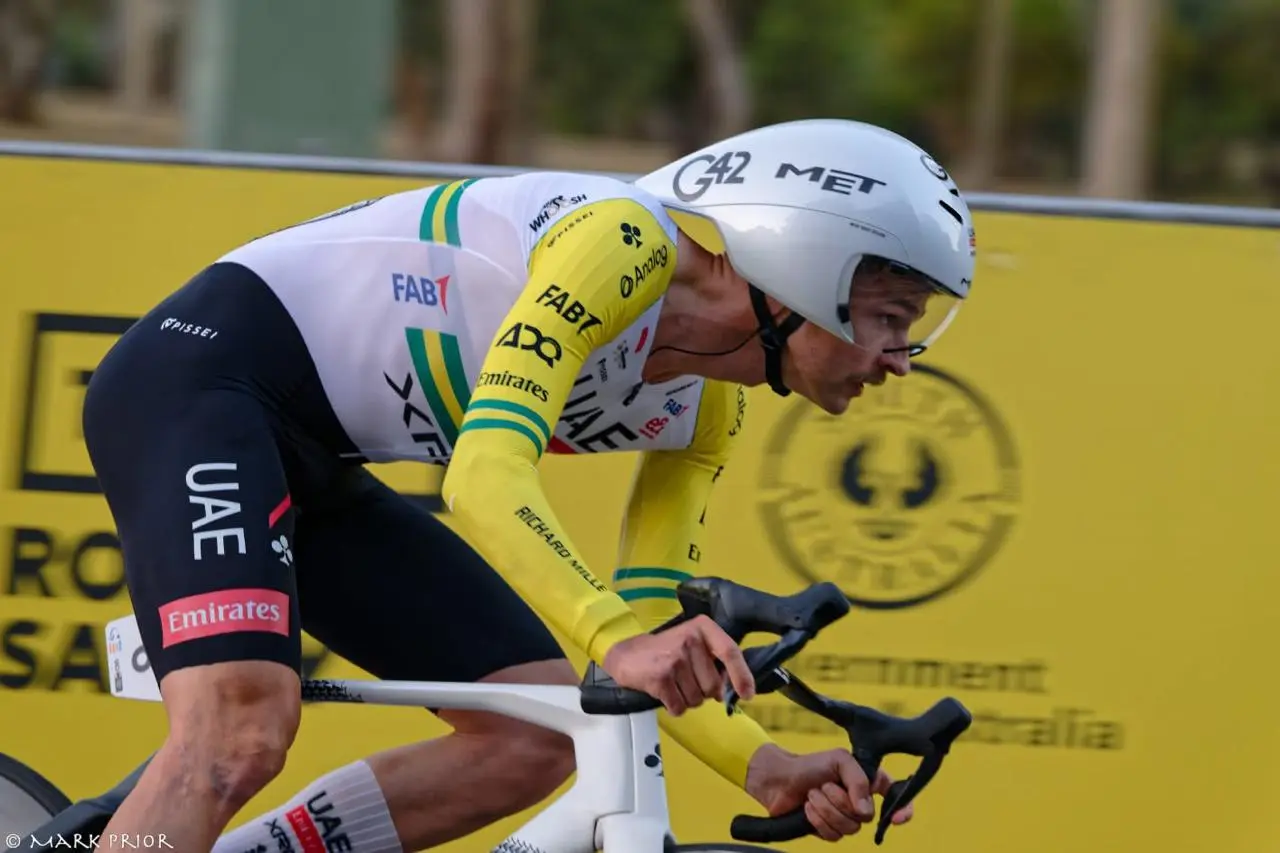
Jay Vine: What the Race Doesn't Show
Behind the miles, the climbs, and the finish lines lies everything we don’t see: the daily grind, the small adjustments, and the choices that shape a career at the highest level.
Jay Vine (30) has carved out a place for himself in the professional peloton through a unique journey, building his success step by step through discipline, adaptability, and consistency. Balancing an international career with a personal life in flux, he has now found his own balance.
In this interview, made possible with the support of his wife Bre, he shares his journey, his daily life, and what really goes on behind the scenes.
Given your background in road racing, mountain biking, and track racing, do you think that experience helped you reach the WorldTour faster? When did you realize that cycling could become your career?
Yes, I think going through the Zwift Academy definitely opened the door to the professional peloton for me. But my background in mountain biking—with the bike handling skills and all that—was very helpful. And the fact that I raced at the national level in Australia was also very important.
I turned pro at 25, and before that I had to handle everything myself: logistics, hotels, travel, organizing my life—all while working full-time!
So in a way, it really helped me. It allowed me to grow and prepare for life on the WorldTour in Europe—learning how to manage myself, stay focused on a goal, and perform well in targeted races.
The transition from virtual races to the WorldTour peloton is very different. What surprised you the most about this transition? What helped you adapt so quickly?
The year I won the Zwift Academy was during the pandemic, so everything was online.
We didn’t really do any outdoor training, like riding in a peloton or anything like that. I had a little experience from racing in Australia and a few UCI events, but Europe is completely different. Even when comparing the Australian national championships to races in Europe, it’s not the same at all.
In Europe, you race as a team, and that’s a big difference. The national championships are more like a group of individuals chasing a result on a closed circuit. Whereas in Europe—especially on a Grand Tour—you discover new roads every day. You can’t memorize the course or rely on it. You have to constantly adapt, and that’s probably the biggest change.
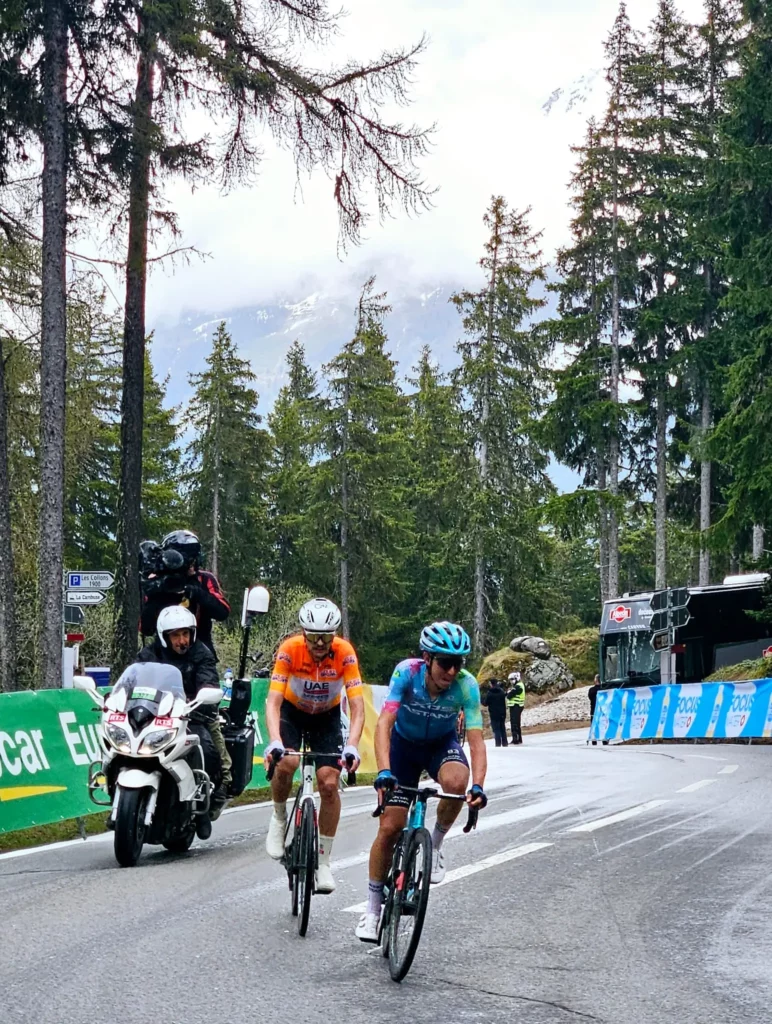
You’re Australian, your team is based in the Middle East, and you live and race mainly in Europe. How do you find a balance in this international lifestyle?
My team is registered in the United Arab Emirates, but the racing department is based in Milan, and I live in Andorra. And of course, I’m from Canberra. So yes, it’s a very international organization.
My season usually runs from January to October, so I don’t really have time to go back to Australia, with all the traveling and the time difference. We’ve settled in Europe, and it’s become our home for the foreseeable future as long as I’m racing professionally.
That also means we don’t really have a home in Australia anymore. When we go back, we stay with family, at a hotel, or in an Airbnb. It can be pretty disruptive—especially with kids—so we try to limit those trips or make them as pleasant as possible. But it also makes it harder to see loved ones. So it’s a compromise, and you have to choose where to settle down.
You recently started a family, and your wife also has a strong background in cycling. How has that changed your daily life and the way you approach your career?
Starting a family inevitably changes things. I try to spend as much time as possible with them—whether it’s during the Grand Tours on rest days, or by going on high-altitude training camps together whenever possible. And that’s really nice.
Before our son was born, my wife was very involved. She helped a lot with the preparation: scouting the stages by car, analyzing the routes, using the viewer, and she’d give me notes before the stages. She understands cycling very well, so that was a real advantage.
It’s a little different today because we have less time, but it’s still very special to share this experience, both for her and for me.
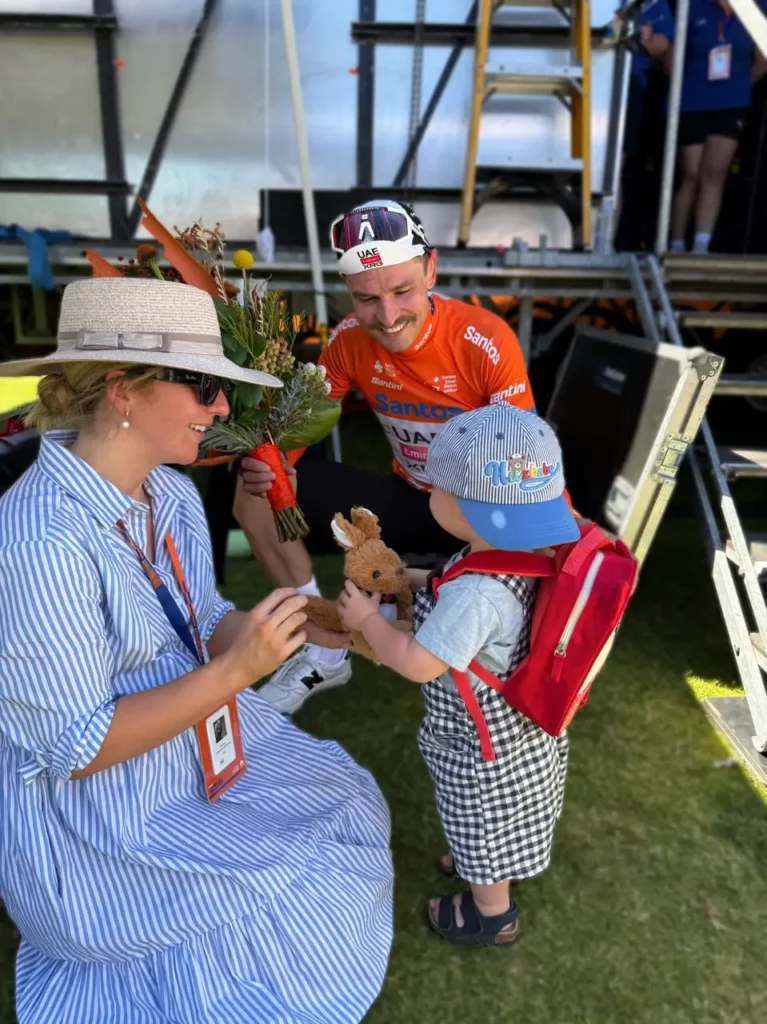
You’re part of UAE Team Emirates, one of the strongest teams in the world. What does that mean to you? Behind the scenes, what really makes the difference?
Being part of UAE Team Emirates means, above all, that we always go into races to win. We always have someone in top form who’s capable of taking the win. We also have one of the busiest schedules. Maybe a little less so this year due to injuries, but last year I raced for about 82 days. Other riders do 50 or 60. That’s almost an extra Grand Tour.
It also means more altitude training camps and more preparation. We broke the record for the most wins in a season, but that’s also because we race more than the others. We’re constantly racing, so constantly chasing results, almost every week.
After suffering serious injuries, how do you rebuild yourself physically and mentally to return to the highest level?
After an injury, I always want to come back and perform at my best. For me, it’s about refocusing—setting short- and long-term goals, and then figuring out the best way to achieve them. That’s how I handle it.
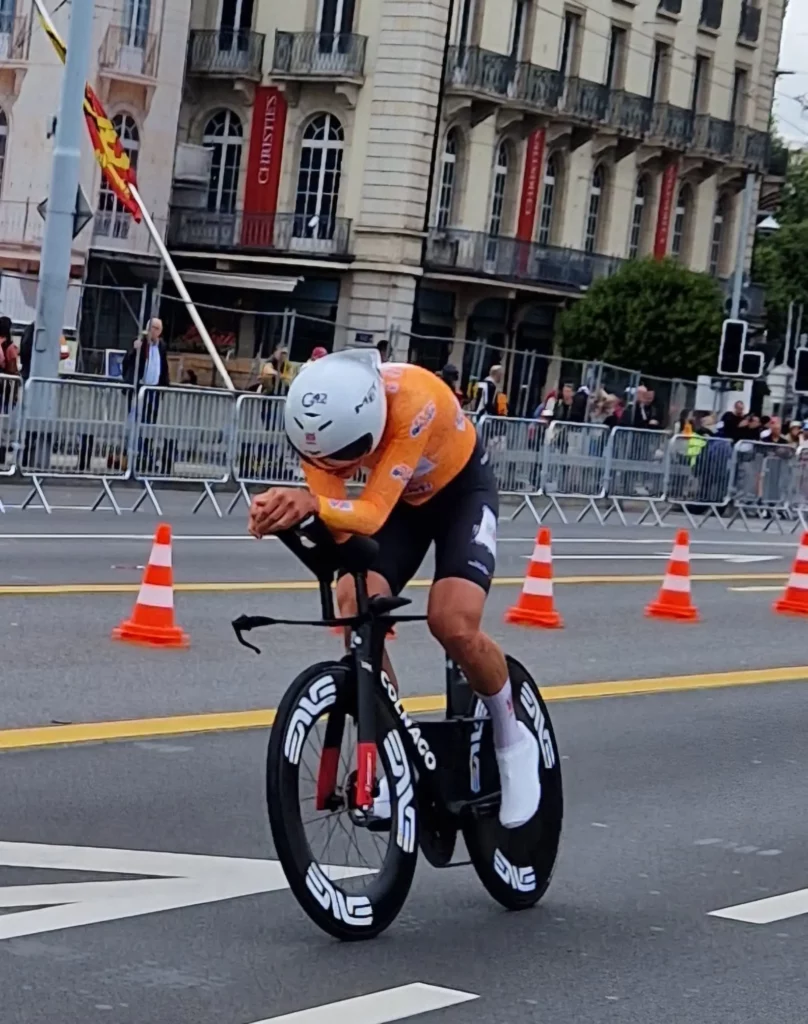
After 2024, your 2025 season was very strong. What made the difference?
I don't know exactly what changed between 2024 and 2025. I think everything just fell into place. I had a very good Grand Tour and came out of it in excellent shape, which helped me a lot for the end of the season.
That’s where I scored a lot of points and got good results. The races also suited me very well. So yes, good planning, a successful Grand Tour, and strong legs at the right time.
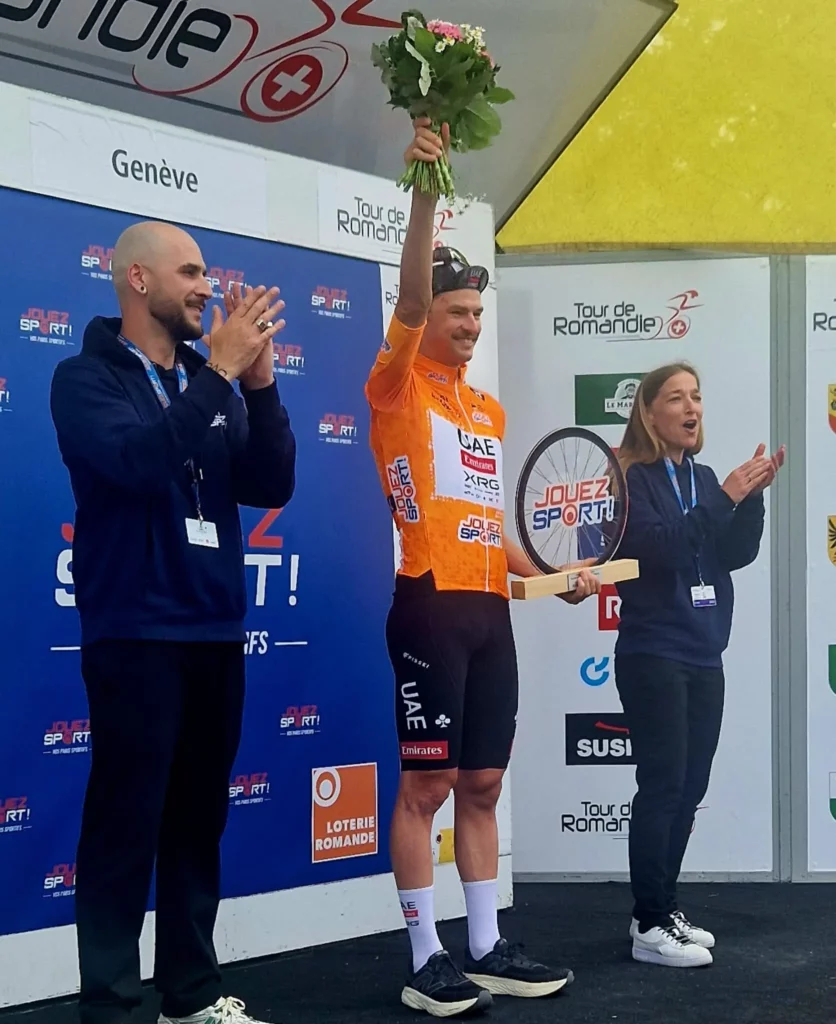
Is there a person or mentor who has played an important role in your career?
I’ve had many mentors over the years, including the sports directors of the teams I’ve raced for. I’m still in touch with them, and they’ve been a huge help to me.
I also work with a sports psychologist, who helps me with ideas, planning, organization, and making progress toward my goals.
Is there a runner or athlete you particularly admire? Why?
I really admire Richie Porte. I’ve always been a big fan of his career, of the way he worked for others while still achieving his own results. He was an exceptional rider, both in Australia and in Europe.
And outside of cycling, I really admire Niki Lauda. I discovered his story through the movie Rush, like many people, and then I read his book and learned more about his journey. He’s a very humble person, and everything he’s been through commands respect.
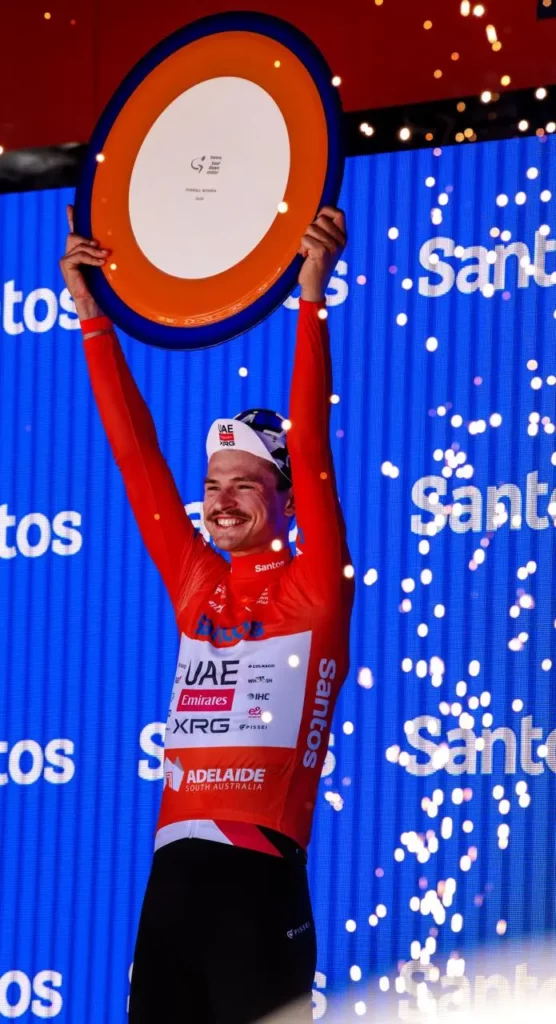
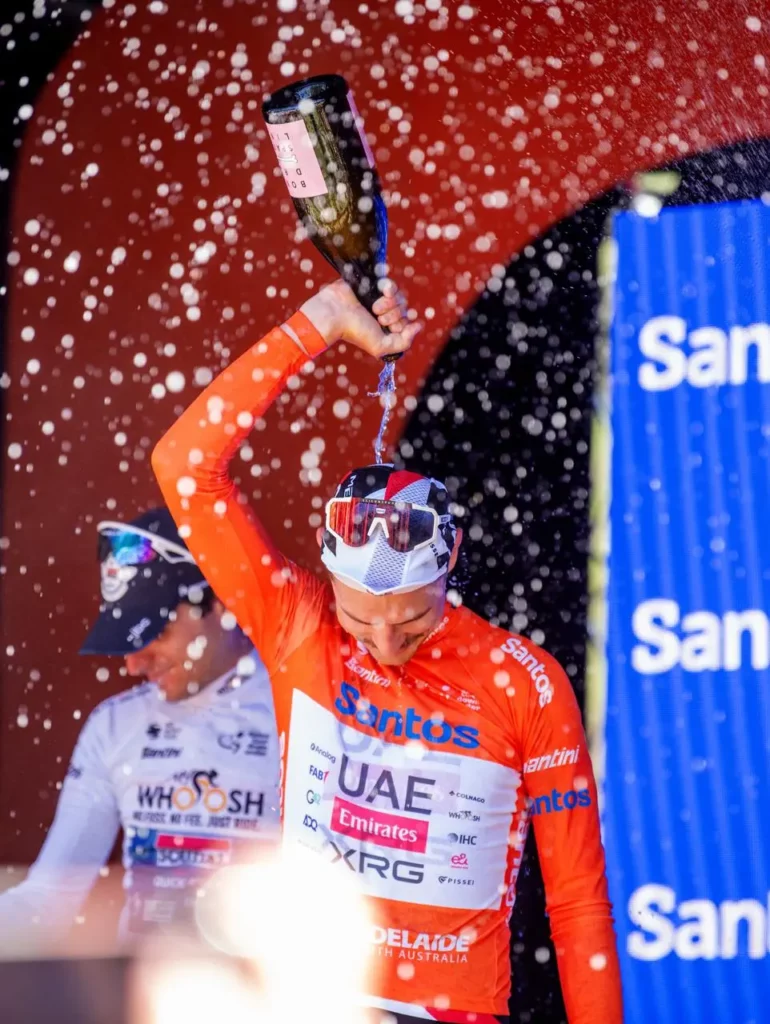
©JayVine for all photos.