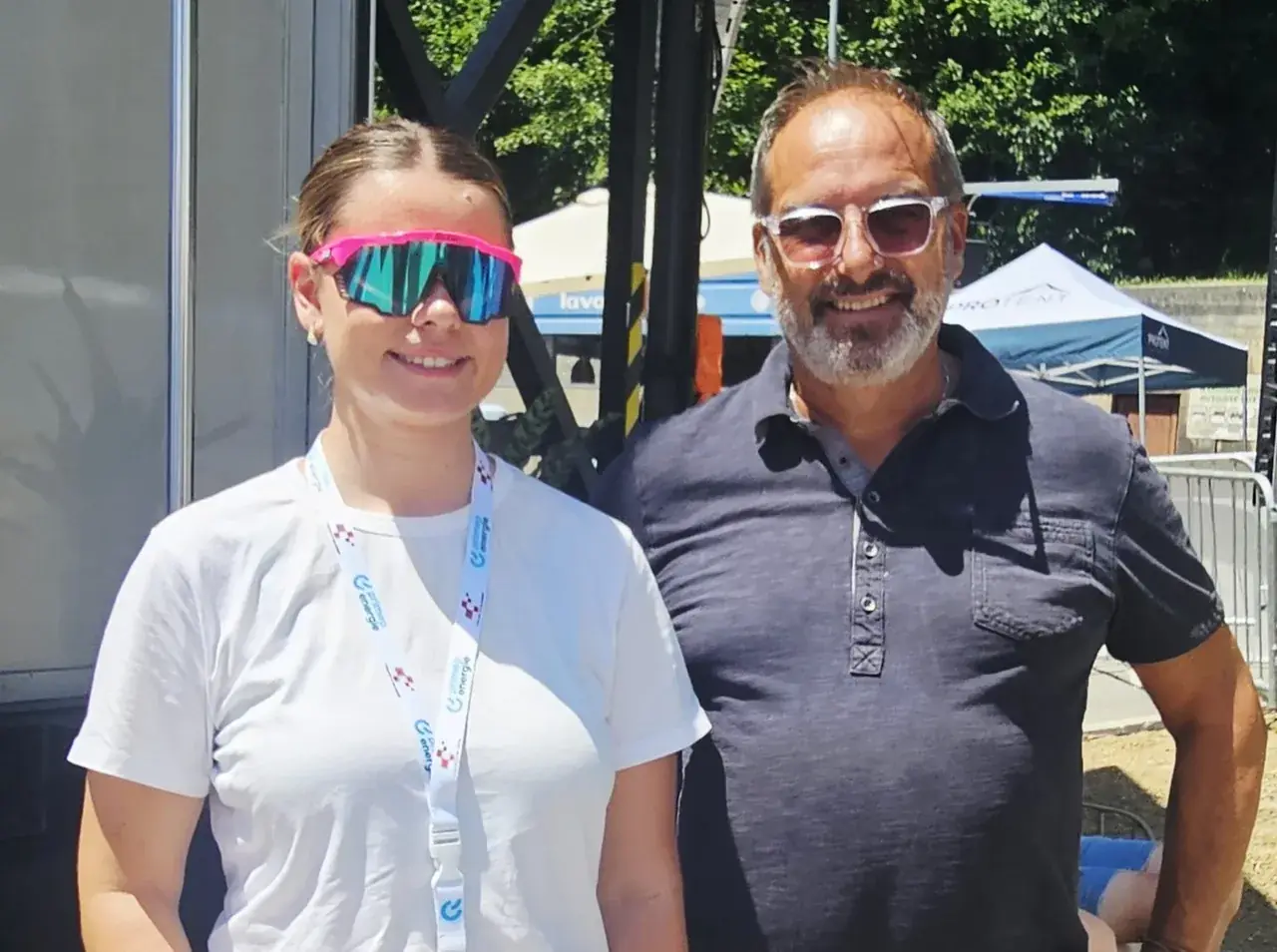
At the Heart of the Tour de Romandie with Richard Chassot
Every day, for a few hours on television, the Tour de Romandie winds its way through the roads and landscapes of French-speaking Switzerland. A race, images, winners. But behind this familiar spectacle lies a complex organization, behind-the-scenes decisions, and dozens of people who make the event happen day after day.
At the helm of this operation for nearly twenty years, Richard Chassot embodies a Tour on a human scale—one that is deeply rooted in French-speaking Switzerland yet capable of attracting the biggest names in world cycling. It’s a different way of looking at the race.
Richard, you returned to the Tour in 2007. What motivated you at that time, and what were your ambitions?
At the time, the Tour de Romandie was in danger of disappearing. The race had been taken over by IMG International and was no longer profitable. The UCI then created a foundation to try to save the event, and I was asked to take over the sports side of things. I was a former rider and a consultant, but I had absolutely no experience as an organizer. So it was a challenge—a bit of a leap into the unknown. We took it on almost “with blind optimism,” without much strategic planning at the start. What motivated me above all was passion. I had raced in four Tours de Romandie, and this race meant a great deal to me. The goal was simply to preserve a major event in French-speaking Switzerland and ensure it could continue to exist at the highest level.
You’ve become “Mr. Tour de Romandie.” You’ve been the driving force behind this race for nearly 20 years, with great passion but also many challenges. What keeps you going, what are your greatest sources of satisfaction, and what still motivates you today?
At first, I thought I'd stay for three years… then three more… and now it's been almost twenty years!
Today, what keeps me going is the daily challenge. I have to secure funding, build teams, and deal with a huge number of constraints. There’s no school for becoming a Tour de Romandie organizer. Many aspects of the job are extremely specialized, and you have to learn on the job.
My greatest sources of satisfaction are, of course, that the Tour still exists, that it remains popular, and that the top riders want to come. But honestly, the strongest emotion at the end of a Tour isn’t euphoria. It’s mostly relief.
How exactly is a Tour or a stage put together? And when you’re planning a route, what factors influence your decisions: the riders, the roads, the cities, or television?
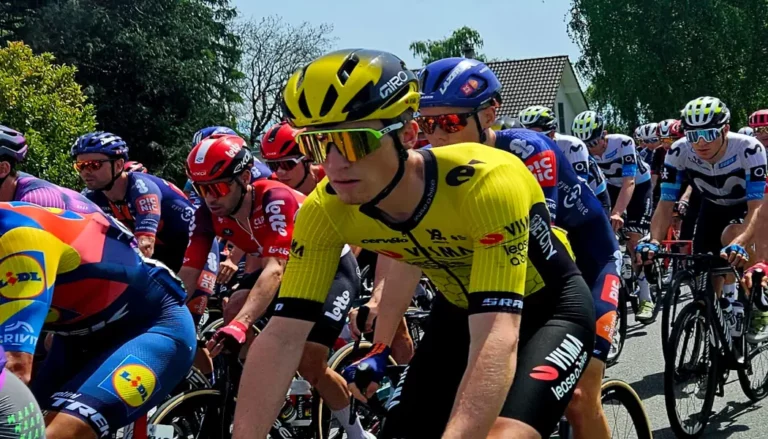
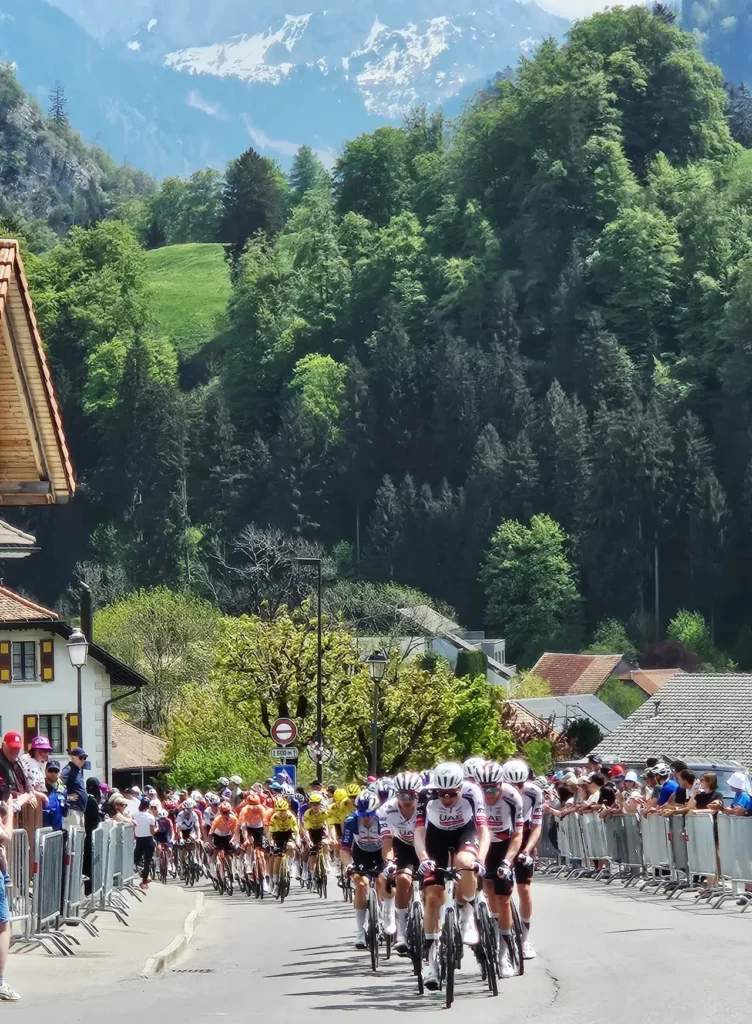
The Tour de Romandie is a showcase for French-speaking Switzerland. We want to highlight the lakes, the mountains, the landscapes, the rapeseed fields, and our quality of life. But the priority is always the sport. First and foremost, I try to design a true stage race route: a prologue, mountain stages, more open routes for breakaway riders, and sometimes a time trial. Then come all the constraints: cities, roads, weather, traffic, roadwork, television broadcasts, and safety. And we have to constantly adapt. Some cities that were perfect twenty years ago have become complicated today due to urban development, roundabouts, and speed bumps.
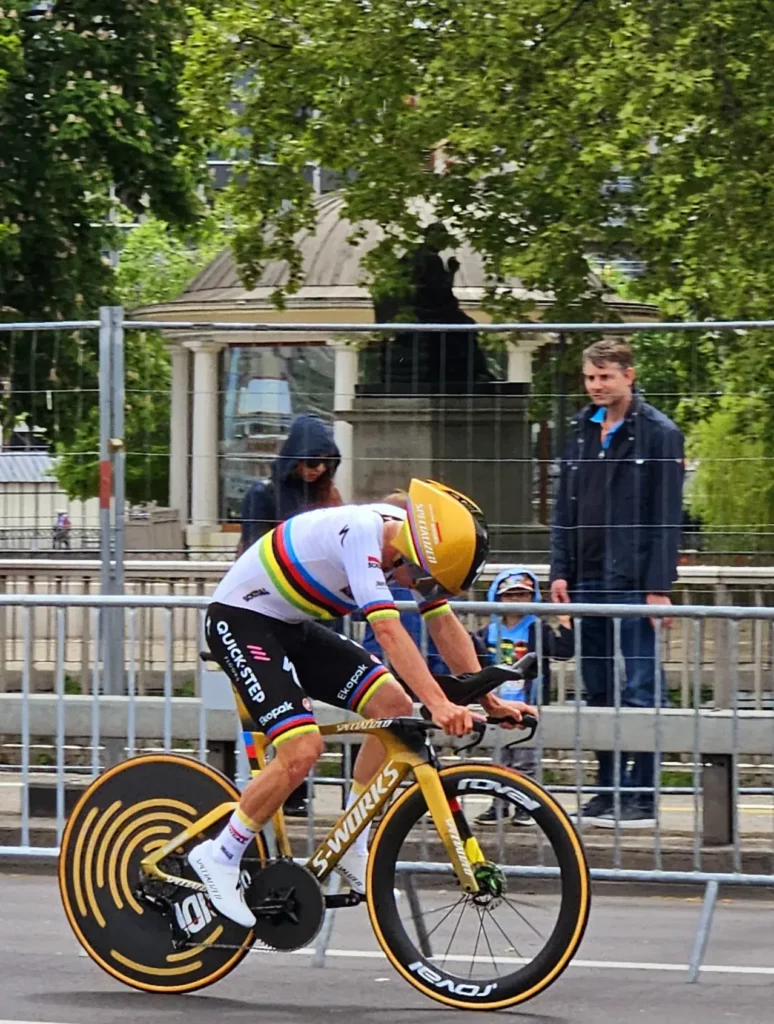
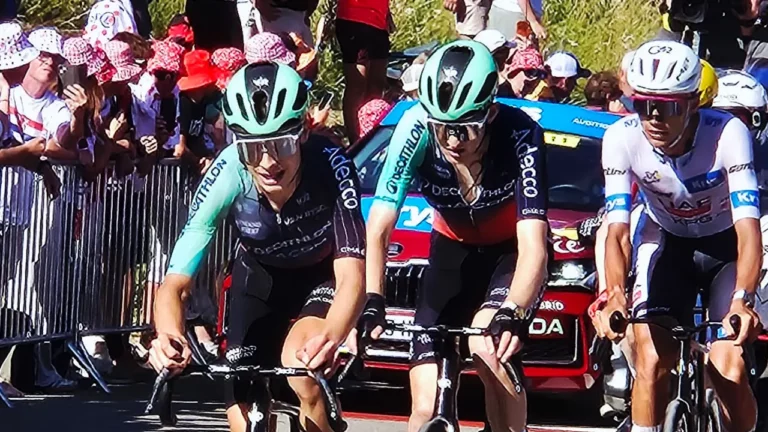
When riders like Pogačar, Roglič, or Evenepoel are on the starting line, what does that mean to you? Does their presence change certain aspects of the organization? Does it affect expectations surrounding the race, such as those of sponsors or security personnel?
It’s obviously very gratifying. It means that the world’s best riders want to come here and that they enjoy the race. The great champions often tell us that they love the organization, the courses, the roads, the hospitality, and the atmosphere surrounding the race. That means a great deal to us.
That said, their presence doesn’t fundamentally change the way things are organized. Sometimes there are two or three minor adjustments to make it easier for them to get around or to ensure their safety, but nothing major. And it’s important to remember one key thing: cycling remains a free sport. Even when Pogačar is there, it doesn’t directly bring in more money for us. Above all, it brings visibility and recognition to the Tour de Romandie.
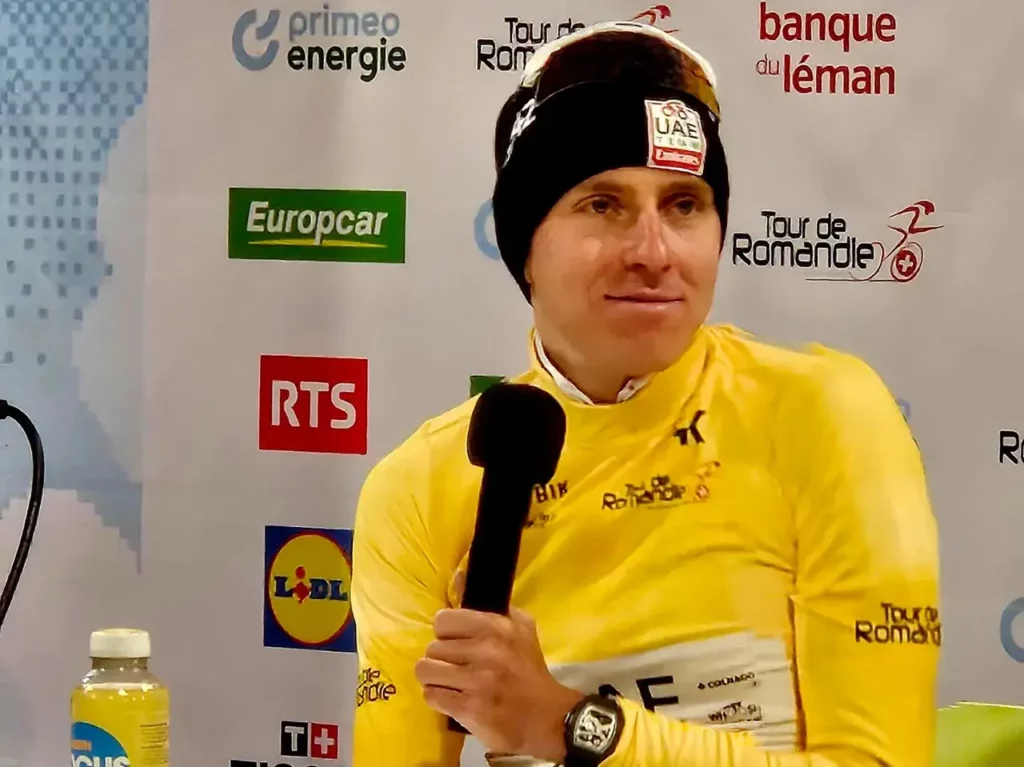
Cycling is very popular today and is receiving increasing media attention. Yet despite this enthusiasm, the financial stability of races remains fragile, particularly because the sport is still largely accessible to the public for free. How do you manage to keep an event like the Tour de Romandie afloat in this context?
Today, organizing the Tour de Romandie costs more than five million francs for a single week of racing. And in Switzerland, everything is more expensive: hotels, suppliers, infrastructure, salaries… The problem is that cycling is a free sport. We’re not going to charge the public to watch the peloton pass by for a few seconds. Sponsors, stage towns, and public institutions therefore remain essential.
And I also think that tourism should play an even more important role in the future, because French-speaking Switzerland is featured on television in more than 180 countries. The Tour is also a huge showcase for our entire region.
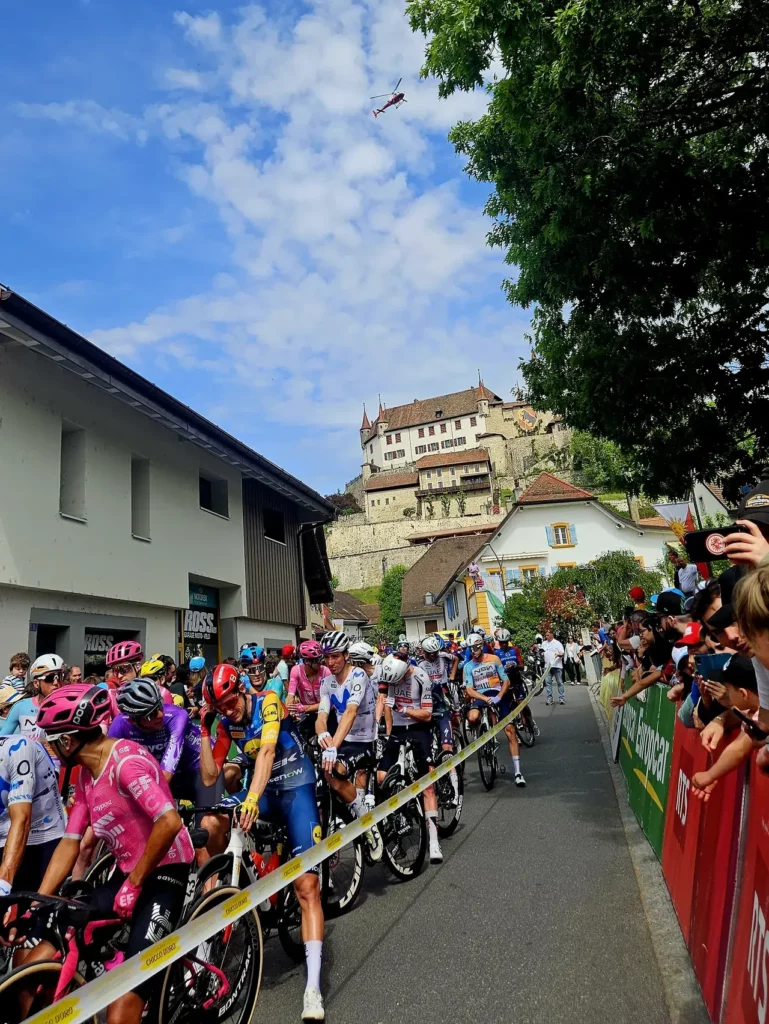
When you take a look behind the scenes at the Tour de Romandie, you realize that there are a huge number of people working behind the scenes, sometimes without even seeing the race. How many are there, on average, and what motivates them, year after year?
During the week of the Tour de Romandie, about 500 people work with us every day, not counting all the local teams stationed in the stage towns. And what’s important to me is that each of these people plays an essential role. I often say that at the Tour de Romandie, there’s no one who’s “extra.” In fact, many of them hardly ever see the race itself: the course markers, the motorcyclists, the setup crews, and the security teams. But each one contributes an indispensable piece to the whole. What motivates them, I think, is above all the human adventure. Many even take time off work to come and work with us. There’s a sense of friendship, a real team spirit, and the feeling of being part of something unique together.
What's the nicest compliment a runner has ever given you?
The best compliments often have to do with safety, the routes, or the hospitality. When riders tell us that they feel respected, that the roads are in good condition, the hotels are high-quality, and the organization is professional, it makes us incredibly happy. Because, at the end of the day, our goal is for riders to want to come back.
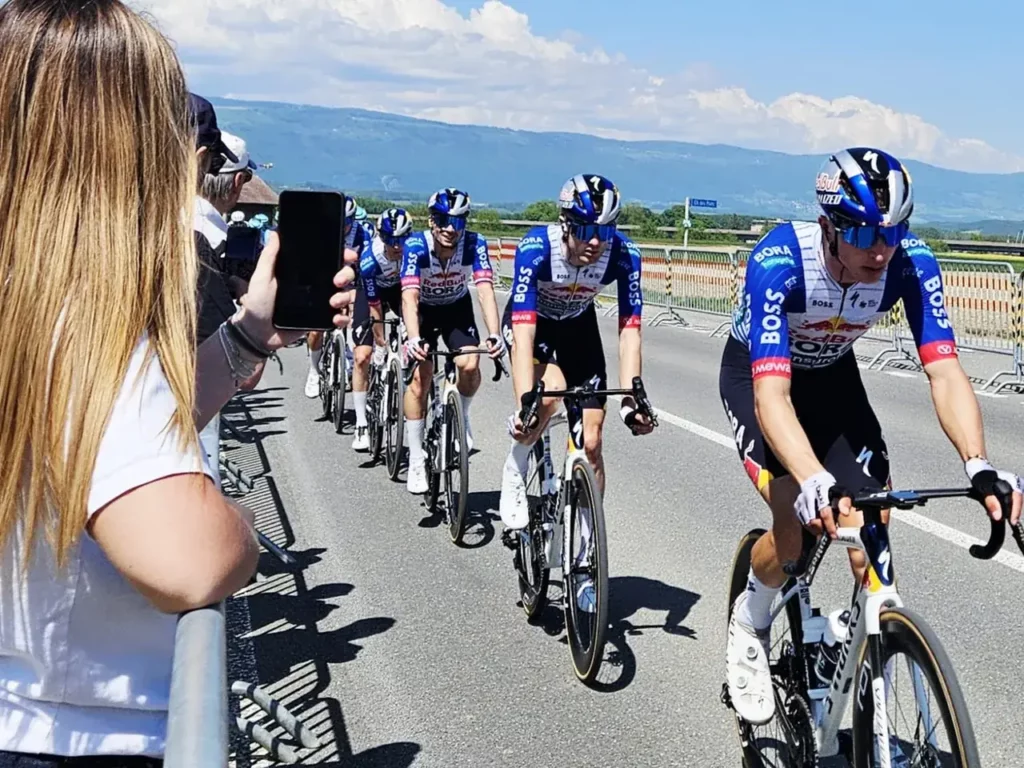
Is there, in your opinion, an “ideal lineup”—a sort of “Dream Team” of riders you’d love to see compete here?
Honestly, we often have really great lineups. But of course, when you have riders like Pogačar, Vingegaard, or Evenepoel battling it out to win the Tour de Romandie, that’s exceptional.
And then there are also riders who would thrill the fans, even if the course doesn’t necessarily suit them. I, for one, would love to see Mathieu van der Poel compete in the Tour de Romandie someday.
As one of the first major races to open its doors to professional women’s cycling, did you simply add a race, or did you fundamentally transform the Tour de Romandie?
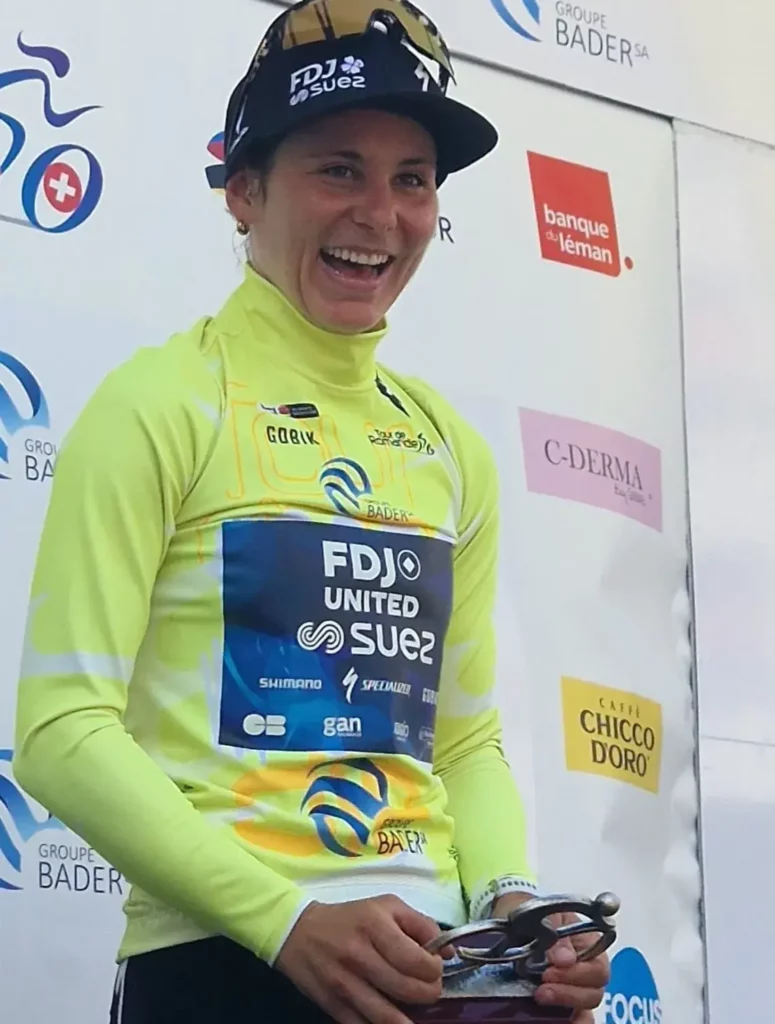
For us, the Women’s Tour de Romandie wasn’t just another race added to the men’s schedule. We really wanted to create a race in its own right, with its own identity. It requires almost the same human and logistical resources as the men’s race, even though it takes place over fewer days. I’m very proud of what we’ve built with this event. Of course, I’m disappointed that it couldn’t take place this year, but we hope to come back stronger than ever in 2027.
What allows the Tour de Romandie to remain a major independent race, when most major events are backed by very powerful organizations like A.S.O.? How do you manage to maintain this position with a smaller organization?
Organizing a race in Switzerland is extremely complex. Between the cantons, the political systems, the different police forces, and the very high costs, it requires a deep understanding of the local landscape. Furthermore, the Tour de Romandie is owned by a foundation. It cannot simply be sold like a private company.
And I also believe that the UCI is committed to maintaining a certain diversity among race organizers. If, in the future, there were only two or three major groups left to organize all the races in the world, that probably wouldn’t be a good thing for cycling.
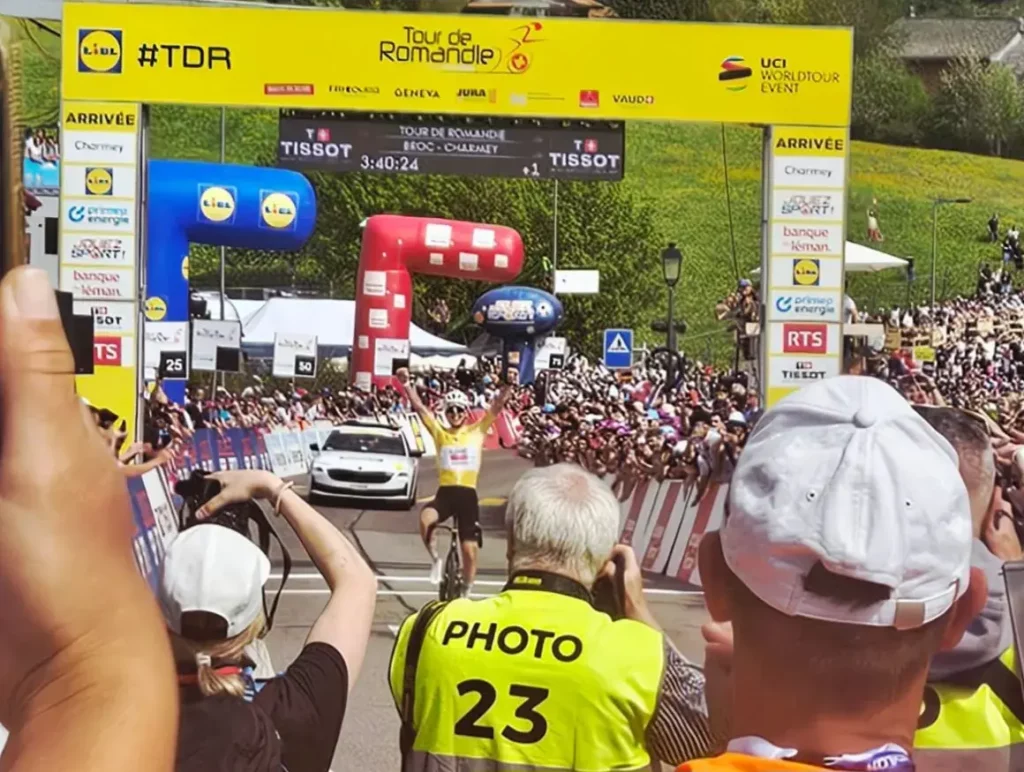
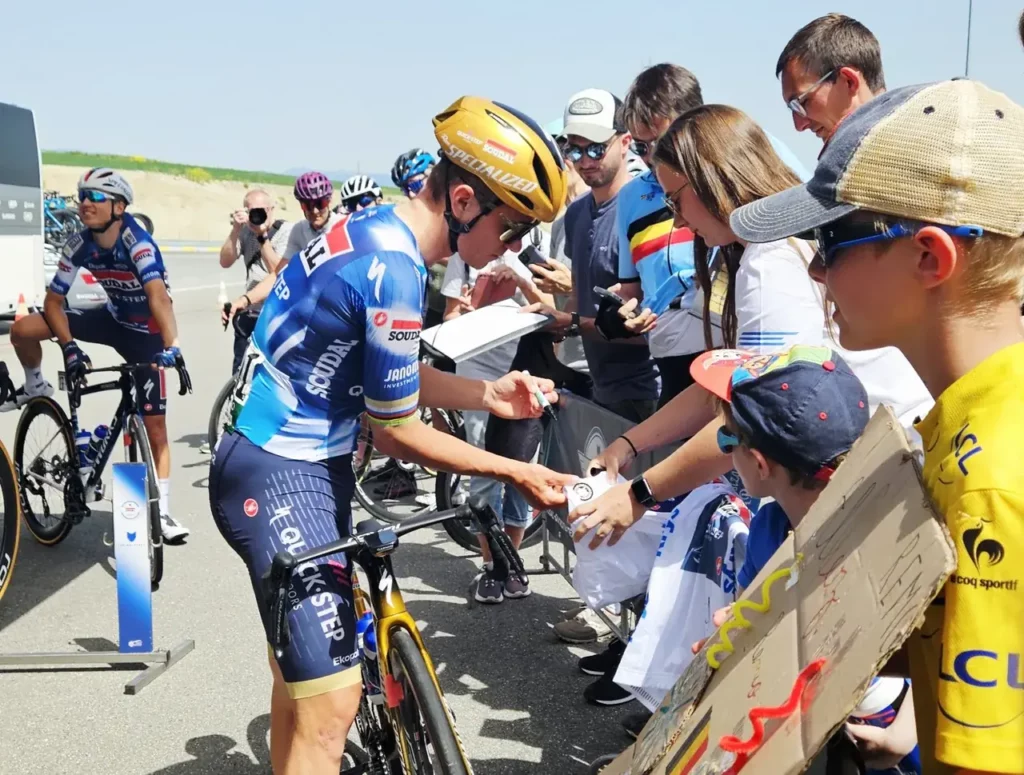
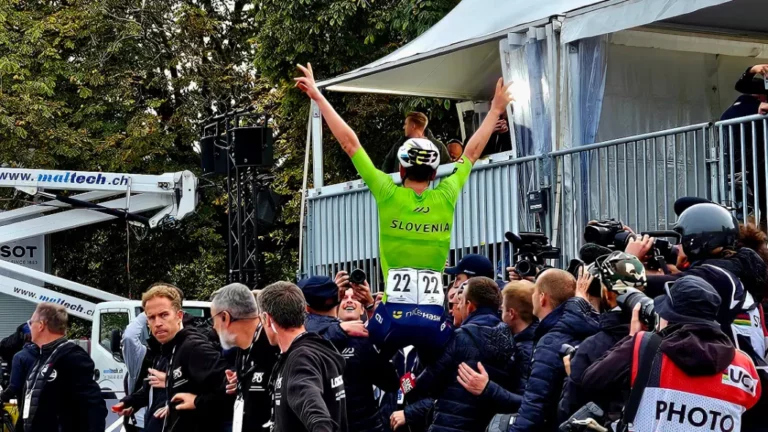
The Tour de Romandie has retained a very distinctive identity on the WorldTour calendar: despite the extremely high level of competition and the biggest stars in the peloton, the race remains very close to the people. And it’s not uncommon to run into fans from Belgium, Slovenia, France, Germany, or elsewhere who come specifically to experience this unique atmosphere. Do you think this more “human-scale” aspect is one of the Tour’s greatest strengths today? And how do you explain that the Tour de Romandie has managed to preserve this special, almost intimate atmosphere at a time when many major races are becoming increasingly grandiose and exclusive?
Yes, definitely. Even today, people can get very close to the riders. There are very few restricted areas, and the public stays close to the teams. And it’s true—we see a huge number of fans coming from Belgium, Slovenia, France, and Germany just to experience this atmosphere. I think this closeness exists because we organize this race with passion. We don’t organize it just to be a WorldTour race or to make money. We organize it because we love this sport. And I think that comes across.